
Human-First Technology: Leadership Podcast
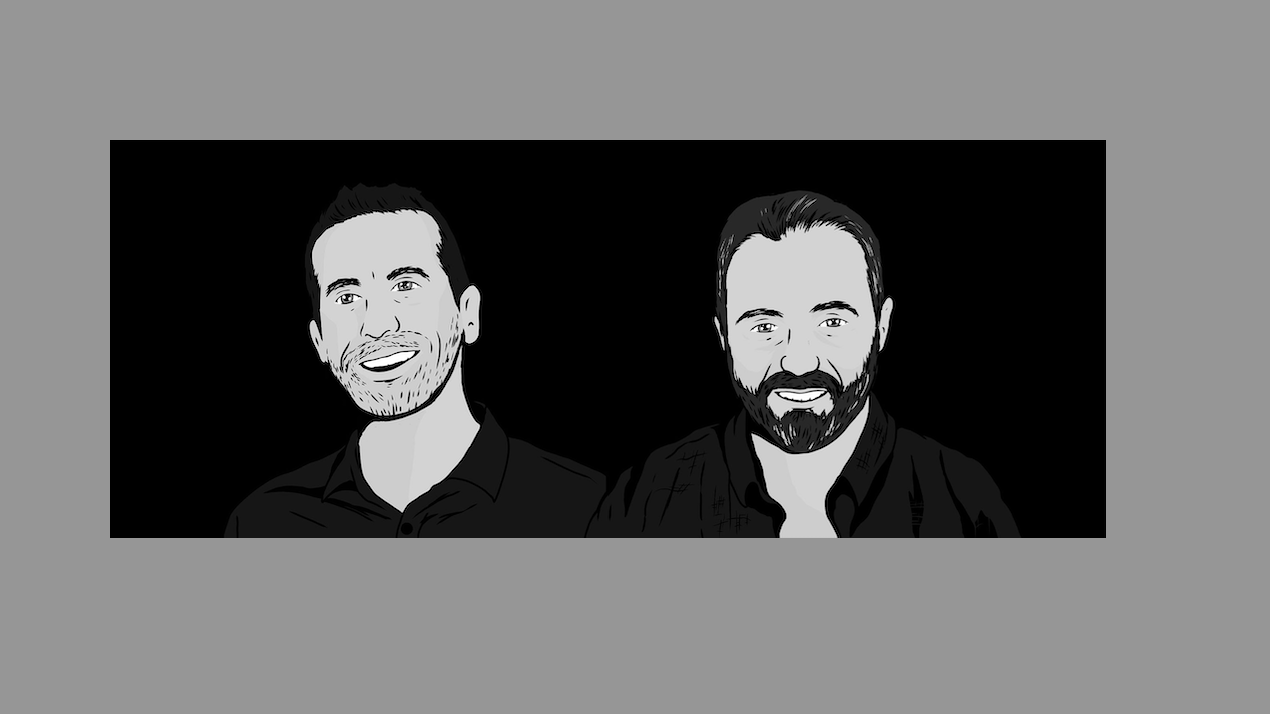
Listen to the full episode, 35 minutes
R/GA’s FutureVision podcast on GPT-3, recorded in October 2020 with Shirley Brady hosting and Nick Coronges, then R/GA’s global CTO. I was SVP and head of technology in New York. The original has gone offline, so the link goes to the transcript I published.
What struck me at the time was how little you had to give it. Earlier models wanted thousands of labelled examples before they were any use. With GPT-3 you could show it an English phrase and its Spanish translation three or four times, then hand it a new phrase and get the translation back. I compared it to a child’s brain still developing: you build it for one specific job, and because of how it was trained it turns out to do something adjacent surprisingly well. That is the promise and the part nobody can plan for, in the same breath.
On where it was actually usable I drew a line I would still draw. For narrow tasks with a clear pattern it was ready: I used it to write new icebreaker cards for Not So FAQ, a card game we had at the agency, then had it generate the deck again in Spanish and Portuguese. For anything going out in a brand’s voice it needed a person in the loop, and asked whether I would let generated copy publish itself, I said probably not. The AI work I described from before GPT-3 was narrower and no less useful: machine learning separating real entries from the rest in Doodle for Google, face aging for Shiseido, which Communication Arts later wrote up, sky segmentation for Samsung and content categorisation for Siemens.
All 54 posts
· see this in the story
Juan (John) Tubert is Chief Technology Officer at Tombras.